Why We’re Building a DIY Winding Machine

I bought this inexpensive mountain bike from Amazon last April for 23,480 yen (about $153). Funny enough, it ended up giving me an idea for the winding machine project.
It has 21 gears, looks great, and includes a basic front suspension (not high-end, but perfectly usable). And that price even included shipping. Incredibly cheap.
If this were sold fully assembled at a local bike shop, it would probably cost $300–500.
So why is it so cheap?
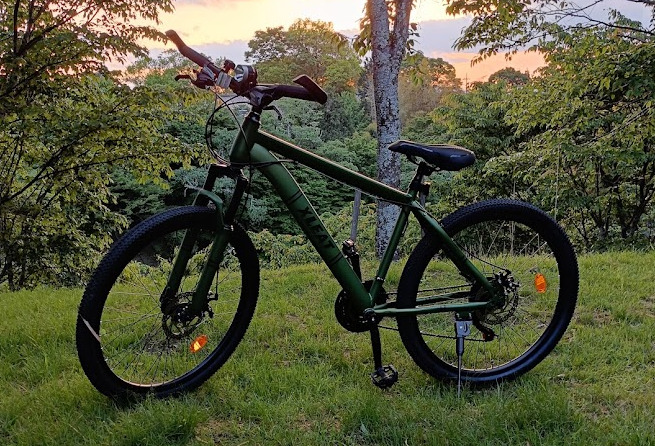
Because you have to assemble it yourself.
The package includes all the parts (frame, wheels, handlebar, seat, pedals, etc.) along with a manual. It took me about an hour to put everything together.
Overall, I was very satisfied with the quality and the price. I would much rather buy this and assemble it myself than pay twice as much for a fully assembled bike.
Provide a DIY Option for the Winding Machine
This is exactly how we want to deliver the winding machine project.
We provide the design files, parts list, and build instructions — and you assemble the machine yourself.
Industrial winding machines are extremely expensive — typically around $20,000–50,000, and rarely less than $10,000 even for smaller units. They are plug-and-play machines: turn them on, and they start winding coils immediately.
DIYers and researchers usually cannot afford such machines. As a result, they often wind coils by hand — a process that is time-consuming, inconsistent, and physically demanding.
For example, YouTuber Aaed Musa attempted to build a custom robotic actuator in the video below:
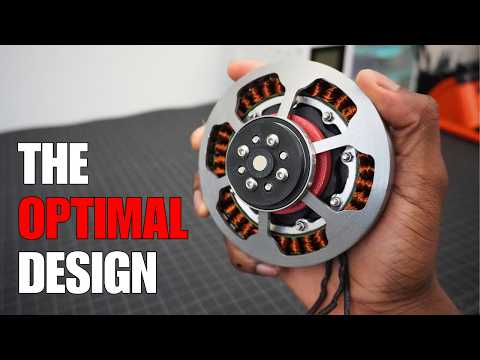
As shown in the video (around 4:40), winding motors by hand takes significant time and effort.
Not Just Affordable, but Also Customizable
Many users of industrial winding machines share a common frustration: lack of flexibility and customization.
We open-source the software so you can modify winding patterns and parameters to suit your specific needs.
Additionally, by providing full access to the hardware design files, customers can modify the machine itself — adapting it for different motor sizes, stator types, or winding configurations.
The Post–3D Printing Era
One of the key aspects of this project is leveraging 3D printing.
By using 3D-printed parts where appropriate, we significantly reduce costs and make the machine accessible to a much wider audience.
If you are comfortable with some vibration and slightly lower durability compared to steel parts, many components of the winding machine work perfectly well when 3D printed.
We Don’t Sell Plug-and-Play Machines
What differentiates us from traditional industrial manufacturers is simple:
We don’t sell closed, plug-and-play machines.
Selling only a finished, closed product without design files would make us no different from existing mass-produced winding machine companies. It would also increase manufacturing costs while limiting customization.
We don’t have the capital or resources to operate as a large-scale manufacturer — and we intentionally choose not to. Instead, we focus on design and remain a fabless company.
Importantly, we do not restrict commercial use of the winding machine design. You are free to build plug-and-play machines and sell them to your own customers.
In fact, we would love to see that happen.
That approach allows winding machine production to scale globally — without us having to handle all the manufacturing ourselves.
Vision for the Future
We want to empower people to produce motors through this DIY winding machine project.
This could help:
- Researchers prototype and test new motor designs more easily
- Small businesses manufacture custom motors in-house
- Hobbyists repair broken motors or create entirely new designs
We currently have around 10 people in our initial test group building their own machines.
We’re excited to see their progress and are looking forward to releasing the project to the public in the near future.